Budgeting, Forecasting, and Investment Strategies


Budgeting, Forecasting, and Investment Strategies  


As a CEO, your ability to interpret financial statements isn't just a skill; it's a superpower. It's the key to unlocking the true story behind the numbers, making informed decisions, and steering your business towards sustainable growth.


Why Financial Literacy Matters for CEOs

Strategic Decision-Making: 

Financial statements provide a clear picture of your company's financial health. By understanding the nuances, you can make data-driven decisions that impact your bottom line.

Risk Mitigation: Identifying potential risks early on is crucial. A deep dive into financial statements can help you anticipate challenges and take proactive measures.

Investor Confidence: 

Investors scrutinize financial statements to assess a company's performance. A solid understanding of these documents can help you communicate effectively with investors and maintain their trust.

Operational Efficiency: 

Financial statements can highlight areas where operational inefficiencies may be draining your resources. By pinpointing these areas, you can implement cost-saving measures and improve overall performance.


Key Financial Statements to Master


1. Balance Sheet: The Snapshot of Stability

The balance sheet reveals your company’s financial health at a specific point in time. But as a CEO, don’t just glance at assets and liabilities—analyze the ratios that define your financial resilience:


Current Ratio: Can we meet our short-term obligations without strain?

Debt-to-Equity Ratio: Are we leveraging debt wisely, or is it becoming a burden?

👉 Key Insight: A high level of intangible assets (e.g., goodwill) might signal overvaluation during acquisitions. Are they truly adding value to your growth?


2. Income Statement: The Performance Barometer

This document tells the story of your company’s profitability over a period. While top-line growth is exciting, don’t miss the subtleties of:


Gross Margin Trends: Are operational costs creeping up?

EBITDA vs. Net Profit: What’s eating into your earnings—interest, taxes, or inefficiencies?

👉 Key Insight: A sudden spike in revenue could mask one-time events like asset sales. Sustainable growth is the real goal.


3. Cash Flow Statement: 

The Lifeblood of Business

Profit is good, but cash flow is king. As a CEO, this is where you determine if your company is truly liquid and sustainable:


Operating Cash Flow: Are day-to-day operations generating enough cash?

Free Cash Flow: Do we have the funds to invest in growth after covering operational needs?

👉 Key Insight: Positive net income without corresponding cash flow often signals aggressive accounting practices.


4. Reading Between the Lines

Beyond the numbers, CEOs must develop the skill of interpreting what’s not explicitly stated:

Accounting Policies: Is revenue being recognized prematurely to inflate results?

Seasonal Trends: Are there predictable patterns that affect profitability and liquidity?

Comparative Analysis: How do our numbers stack up against competitors in the same industry?


👉 Key Insight: Don’t just rely on the surface narrative—compare quarterly and annual trends for deeper insights.


5. Why Financial Literacy Matters for CEOs

Financial literacy enables CEOs to:

Build confidence with investors by demonstrating a deep understanding of metrics.

Ask informed questions in board meetings.

Identify opportunities to streamline costs or reinvest in high-performing areas.

Predict potential crises and act proactively.


Compare your company's performance to industry benchmarks to assess your competitive position.

Consult with Experts: Don't hesitate to seek advice from financial experts, such as CFOs or financial analysts.


Empowering Yourself with Financial Knowledge

By mastering financial statements, CEOs can elevate their decision-making abilities and drive their businesses to new heights. Invest time in understanding the language of finance, and you'll reap the rewards for years to come.


Write a Long SEO friendly Linkedin post on

Budgeting, Forecasting, and Investment Strategies  


In the dynamic world of business, CEOs play a pivotal role in steering their organizations towards success. A crucial aspect of this leadership involves a deep understanding and effective implementation of sound financial strategies. This post delves into the critical elements of budgeting, forecasting, and investment strategies that every CEO should master.


1. Budgeting: 

The Foundation of Financial Stability

Define Clear Objectives: Before embarking on the budgeting process, clearly define your company's short-term and long-term goals. These objectives should align with your overall business strategy and guide your financial decisions.

Accurate Revenue Projections: 

Conduct thorough market research and analyze historical data to accurately forecast revenue streams. Consider factors like market trends, competitive landscape, and potential disruptions.

Cost Control and Optimization: 

Identify areas of potential cost savings, such as streamlining operations, negotiating better deals with suppliers, and implementing energy-efficient practices.

Allocate Resources Strategically: 

Allocate budget effectively across departments, prioritizing key areas like research and development, marketing, and sales. Ensure that resources are aligned with your strategic priorities.

Regular Monitoring and Adjustments: Continuously monitor actual performance against budget projections. Be prepared to make necessary adjustments based on changing market conditions and unforeseen circumstances.

2. Forecasting: 

Navigating the Uncertainties


Scenario Planning: 

Develop multiple scenarios to anticipate potential future outcomes, considering both optimistic and pessimistic scenarios. This helps you prepare for various contingencies and make informed decisions.

Data-Driven Analysis: 

Utilize historical data, industry trends, and market research to build accurate forecasting models. Leverage data analytics tools to gain deeper insights into key performance indicators (KPIs).

Regular Reviews and Updates: 

Regularly review and update your forecasts to reflect changing market conditions and internal performance. This ensures that your strategic plans remain relevant and adaptable.

Communicate Effectively: 

Clearly communicate your forecasts to key stakeholders, such as investors, board members, and employees. This fosters transparency and builds trust.

3. Investment Strategies: 

Driving Growth and Maximizing Returns


Identify High-Growth Opportunities: 

Conduct thorough due diligence to identify and evaluate potential investment opportunities that align with your company's strategic goals and risk tolerance.

Diversify Your Portfolio: 

Diversify your investment portfolio across different asset classes, industries, and geographies to mitigate risk and maximize returns.

Build a Strong Investment Team: 

Assemble a team of experienced financial professionals with expertise in investment analysis, valuation, and portfolio management.

Monitor Performance Regularly: 

Continuously monitor the performance of your investments and make adjustments as needed to optimize returns and manage risk.

Embrace Innovation: 

Stay abreast of emerging technologies and investment trends to identify new opportunities and maintain a competitive edge.

Mastering budgeting, forecasting, and investment strategies is paramount for CEOs who aim to drive sustainable growth and achieve long-term success. By implementing a robust financial framework, CEOs can navigate uncertainties, allocate resources effectively, and make informed decisions that propel their organizations towards prosperity.

Here’s how you can integrate these three pillars into a cohesive strategy for financial excellence:


1️⃣ Budgeting: The Blueprint for Financial Discipline

Budgeting is the cornerstone of any financial plan. A well-structured budget ensures you have a clear roadmap to manage income, control expenses, and save for future goals.


🔑 Key Practices:


Track Every Penny: Use tools like spreadsheets or apps to monitor your income and expenses.

Prioritize Needs vs. Wants: Focus on essential expenses and avoid unnecessary indulgences.

Allocate for Savings: Aim to save at least 20% of your income, leveraging the 50/30/20 rule.

💬 Pro Tip: Set aside a contingency fund for unexpected expenses to maintain financial stability.


2️⃣ Forecasting: Predicting the Financial Horizon

Forecasting helps you anticipate future financial trends, whether for personal goals or business operations. By analyzing historical data and market conditions, you can make informed decisions.


🔑 Key Practices:

Use Historical Data: Look at past spending or revenue trends for insights.

Scenario Planning: Prepare for best-case, worst-case, and most-likely scenarios.

Stay Updated on Market Trends: Economic shifts, inflation rates, and industry changes should inform your forecasts.

💬 Pro Tip: Regularly update forecasts to reflect new information or changes in circumstances.

3️⃣ Investment Strategies: Growing Wealth Wisely

Investing is where your money starts working for you. A robust investment strategy aligns with your risk tolerance, time horizon, and financial goals.


🔑 Key Practices:

Diversify Your Portfolio: Spread investments across stocks, bonds, mutual funds, and real estate to minimize risk.

Understand Risk and Reward: Balance high-risk, high-reward options with stable, low-risk assets.

Leverage Compounding: Start early and let compound interest maximize returns over time.

 Pro Tip: 

Consult a financial advisor to tailor investments to your unique goals.


Why Combine All Three?

A budget ensures you have the funds to invest. Forecasting predicts when and where you’ll need money. Investments grow your wealth and fund future goals. Together, they create a sustainable financial ecosystem.


🌟 The Result? 

Greater financial clarity, reduced stress, and the ability to seize opportunities confidently!


📣 Your Turn!

What’s your biggest challenge with budgeting, forecasting, or investing? Share your experiences or strategies in the comments below. 

Let’s grow our financial knowledge together! 


Capt Shekhar Gupta

CEO of 16 Dot Com Remote Start-Ups

Author

Career Guide for C E O 

www.AlfaBloggers.com

Start-Ups List :

www.AsiaticInCorp.com 

www.AirCrewsAviation.com  

www.Air-Aviator.com  

www.AlfaBloggers.com  

www.AllIndiaCarTaxiClub.com    

www.AllInOneShoppingApps.com  

www.AsiaticAir.in  

www.AeroSoft.in  

www.AnxietyAttak.com  

www.Flying-Crews.com  

www.Portrait-Business-Woman.com  

www.BestInternationalEducation.com  

www.SatpuraJungleRetreat.com  

www.WorldOfAirplane.com   

www.Fintech-Start-Up.com  

www.GuideByLocal.com  

www.10BestInCity.com    

Books by AlfaBooks

Published Books

Flying High: A Guide to a Career in Aviation Industry

Books

"Flying High: A Guide to a Career in the Aviation Industry"

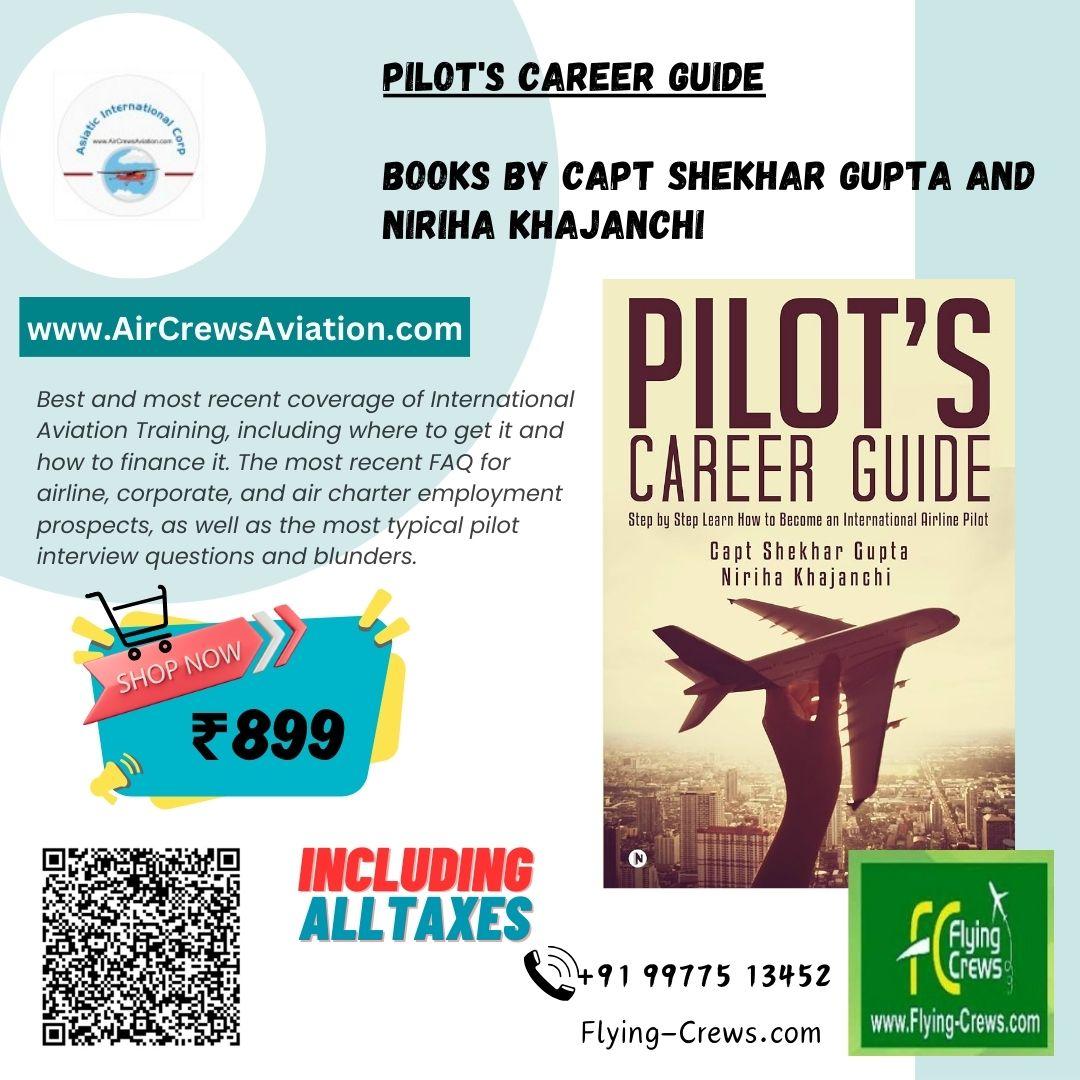
Pilot's Career Guide

Order here
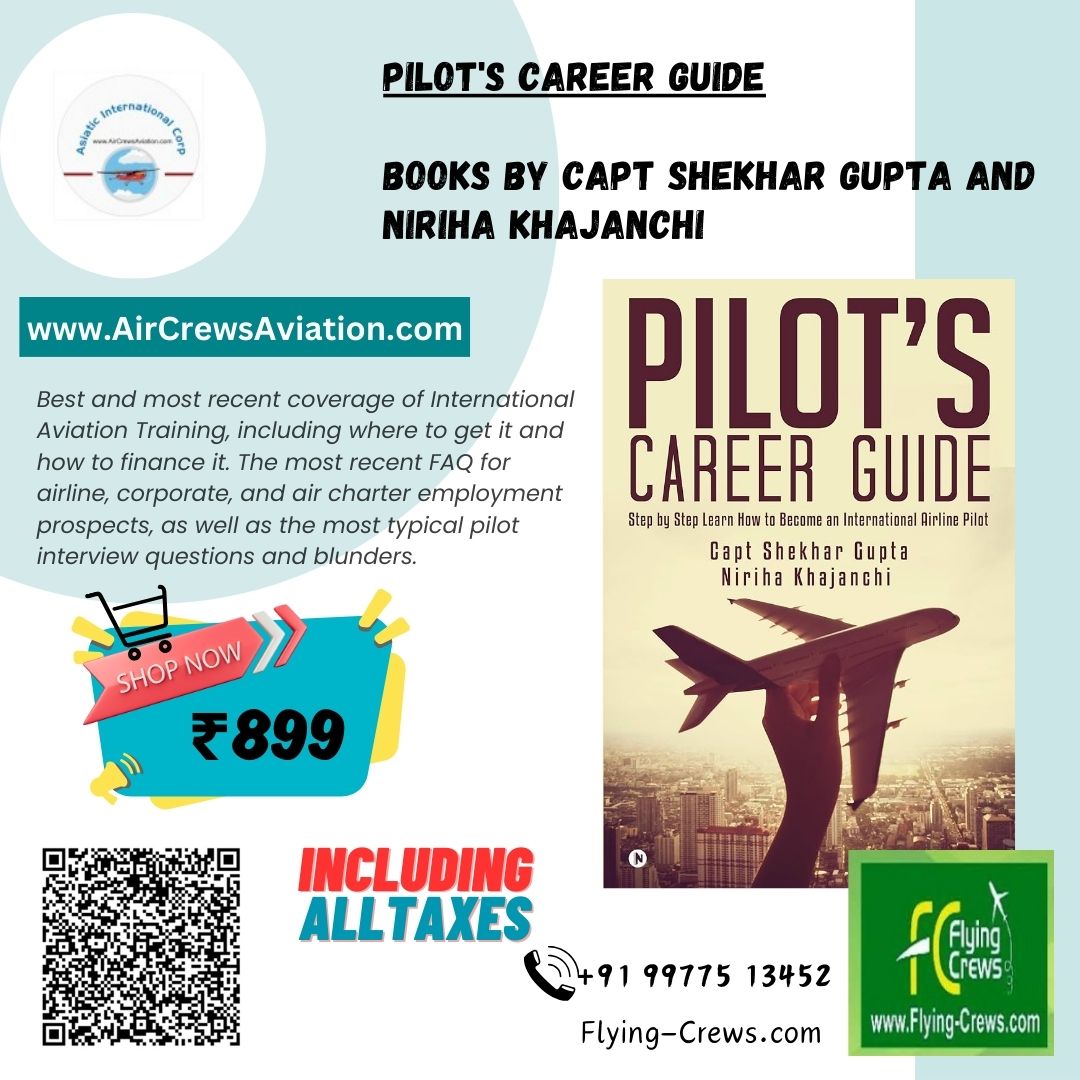

"Pilot's Career Guide" is a book written by Captain Shekhar
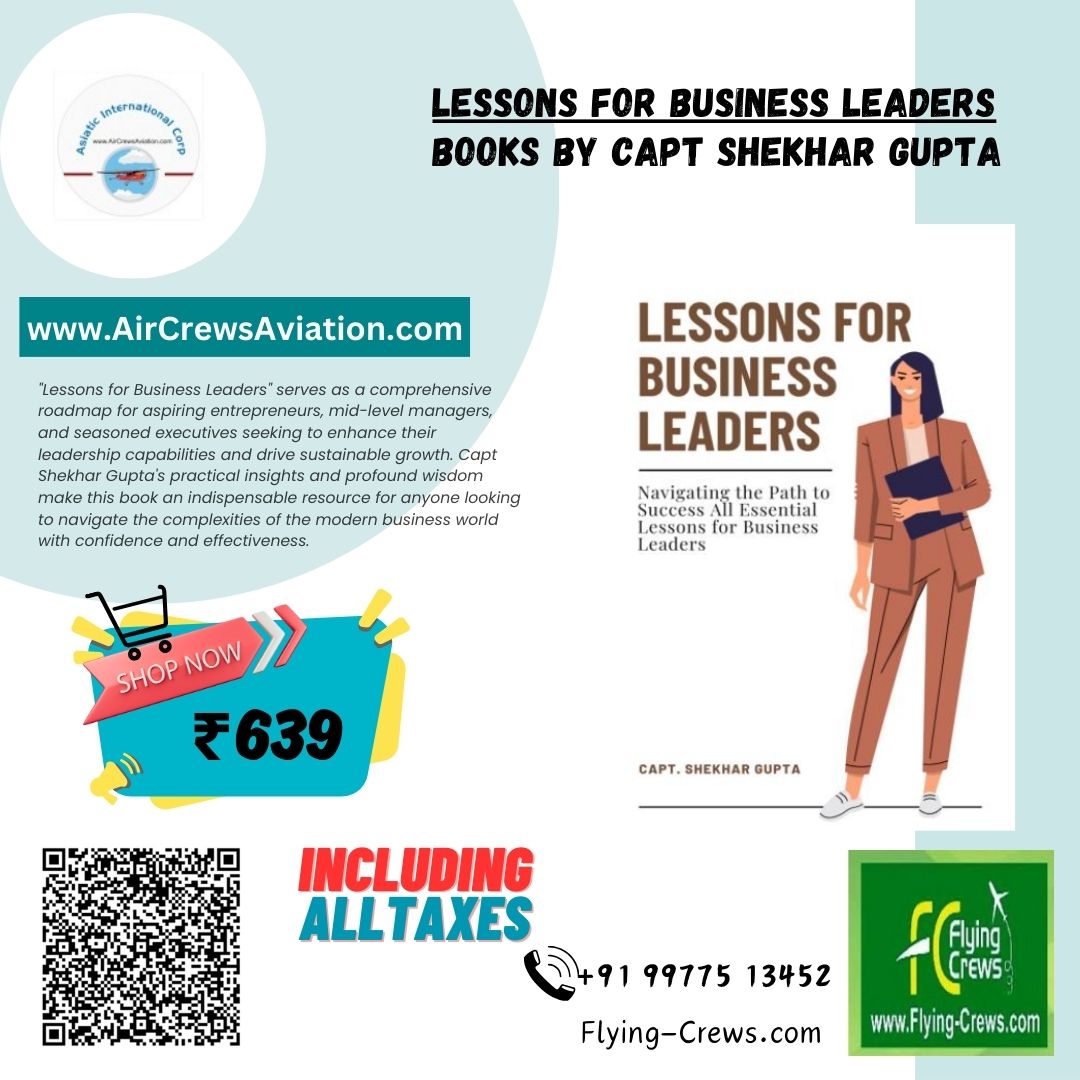
Lessons for Business Leaders


 Most Successful Female Entrepreneurs of India

Books by Grishma Vijay , Capt. Shekhar Gupta
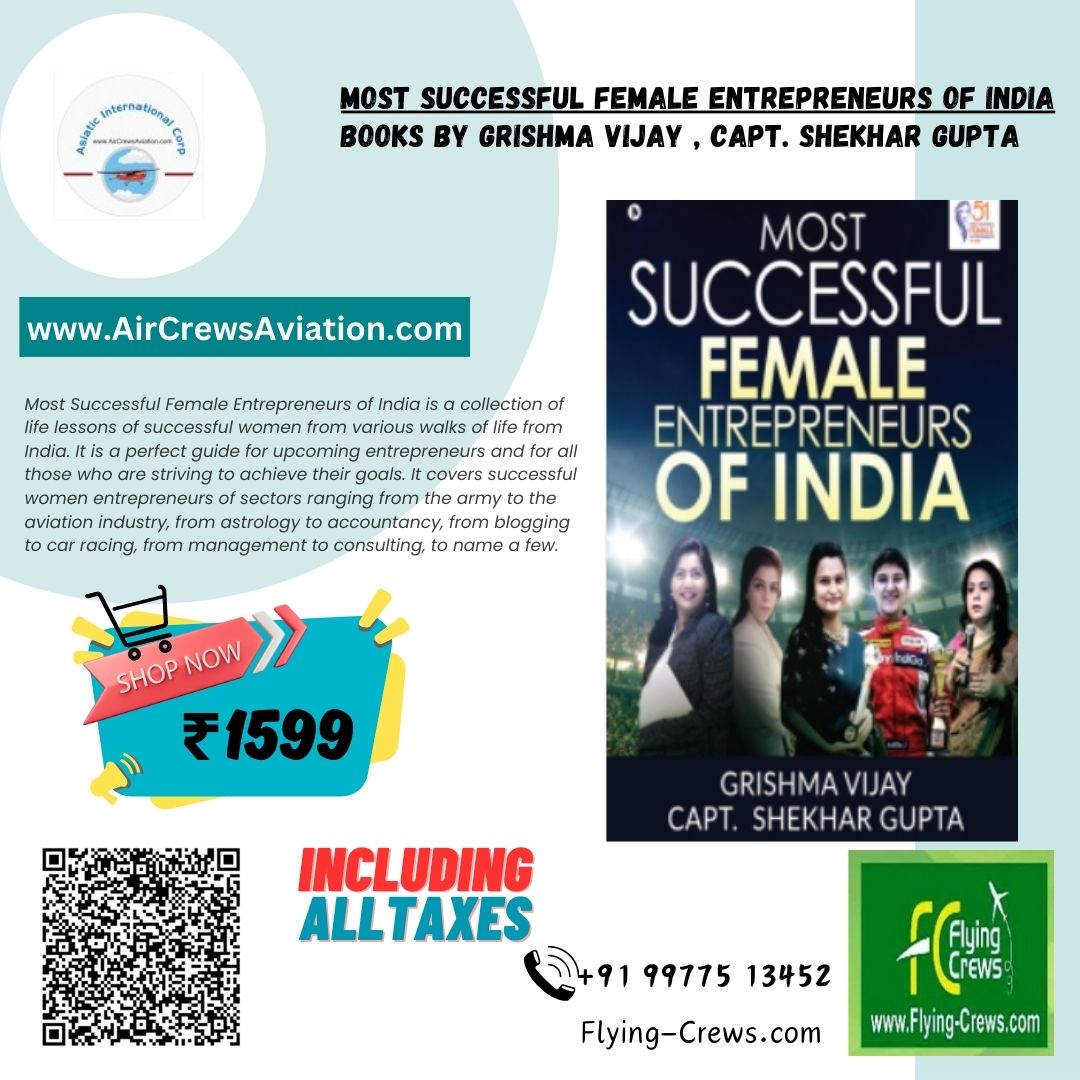


The Most Successful Female Entrepreneurs in India is a collection of life lessons from successful women from all areas of life in India.


All Best Career Guide

Books by Capt Shekhar Gupta



A Great Resource for Students, Parents, and Schools.


  • Buy On Amazon Kindle:

https://www.amazon.com/dp/B07PVK3DTN

  • Buy On Kobo:

https://www.kobo.com/in/en/ebook/pilot-s-career-guide

  • Buy On Google Play:

https://play.google.com/store/books/details/Capt_Shekhar_Gupta_Niriha_Khajanchi_Pilot_s_Career?id=lPWNDwAAQBAJ&pli=1

  • Buy On Apple Books:

https://books.apple.com/us/book/pilots-career-guide/id1457304196

ORDER NOW!!!


#Budgeting #Forecasting #InvestmentStrategies #FinancialPlanning #MoneyManagement #GrowthMindset, #Budgeting #Forecasting #InvestmentStrategies, #CEO #FinancialPlanning, #BusinessGrowth #Leadership #FinancialManagement, #Strategy #Innovation, #financialstatements, #CEO #financial literacy #business #leadership, #strategy #investing #finance https://www.anxietyattak.com/2024/12/managing-stakeholder-relationships-as.html #CEOLeadership #StakeholderManagement #TrustBuilding #BusinessStrategy #LeadershipDevelopment #Hiring #JobAlert #ContentWriter #VideoCreator #CareerOpportunity #financialstatements #CEO #financial literacy #business #leadership #strategy #investing #finance #CEOLeadership #StakeholderManagement #TrustBuilding #BusinessStrategy #LeadershipDevelopment #Hiring #JobAlert #ContentWriter #VideoCreator #CareerOpportunity #CEOLeadership #StakeholderManagement #TrustBuilding #BusinessStrategy #LeadershipDevelopment https://www.anxietyattak.com/2024/11/corporate-governance-and-upholding.html #corporategovernance #ethics #business #leadership #sustainability #socialresponsibility #Leadership #CorporateGovernance #EthicalLeadership #CEOInsights #Sustainability #Leadership #CEOInsights #BusinessGrowth #Vision #Adaptability #Innovation #leadership #vision #adaptability #CEO #business #strategy #innovation #futureofwork https://www.anxietyattak.com/2024/11/crafting-long-term-vision-as-ceo-while.html #Leadership #CEOInsights #BusinessGrowth #Vision #Adaptability #Innovation #leadership #vision #adaptability #CEO #business #strategy #innovation #futureofwork Crafting a Long-Term Vision as a CEO While Mastering the Art of Adaptation https://www.anxietyattak.com/2024/11/building-strategic-vision-as-ceo-from.html https://www.anxietyattak.com/2024/11/visionary-thinking-shaping-future.html https://www.anxietyattak.com/2024/11/essential-skills-for-modern-ceo.html #CEOskills #Leadership #DigitalTransformation #Innovation #GlobalBusiness #Leadership #CEO #SkillsForSuccess #ProfessionalGrowth #BusinessLeadership #Innovation https://www.anxietyattak.com/2024/11/leading-through-change-navigators-guide.html #Leadership #ChangeManagement #CommunicationStrategies #GrowthMindset #Resilience #LeadingThroughChange #changemanagement #leadership #innovation #strategy #business #management #consulting #futureofwork #digitaltransformation #organizationaldevelopment #hr #teamwork #success #motivation #inspiration #knowledge #learning #growth #career #job #worklifebalance #workfromhome #remotework #Innovation, #Creativity, #Leadership #GrowthMindset #WorkplaceCulture, #FutureOfWork, #Inspiration, #cultureofinnovation, #leadership #creativity #entrepreneurship #business #technology #startup, #digitaltransformation, #futureofwork #workplaceculture https://www.anxietyattak.com/2024/11/culture-of-innovation-where-ideas.html https://www.anxietyattak.com/2024/11/setting-goals-and-driving-results.html #PerformanceManagement, #GoalSetting, #Leadership, #EmployeeEngagement, #FeedbackCulture, #performancemanagement, #goalsetting, #feedback, #employeedevelopment #leadership, #HR, #workplaceculture #productivity, https://www.anxietyattak.com/2024/11/building-winning-team-talent.html #talent acquisition #talent retention #HR #recruitment #employerbranding #employeeexperience #workculture #leadership #hrtech #hrtrends https://www.anxietyattak.com/2024/11/financial-literacy-for-ceos-making.html #FinancialLiteracy #CEOInsights #BusinessLeadership #FinancialManagement #KeyMetrics https://www.anxietyattak.com/2024/11/optimizing-efficiency-operations.html #OperationsManagement #Efficiency #Productivity #Lean #SixSigma #Technology #AI #IoT #Robotics https://www.alfabloggers.com/2024/07/understanding-your-market-and-customers.html #Branding #Brandbuilding #Brandstrategy #marketing #business #entrepreneurship #personalBranding #standout #targetaudience #storytelling #visualidentity #consistency #engagement #measureandadapt #marketresearch, #customercentric, #businessstrategy, #targetmarket #customerjourney, #customerengagement, #businessgrowth, #marketing, #sales, #entrepreneurship, #MarketResearch, #CustomerInsight, #CustomerCentricity, #BusinessStrategy, #MarketSegmentation, #CustomerExperience, #LinkedInTips, #innovation #leadership #ceo #businessgrowth, #creativity #culture #success #careerguide, #leadershipdevelopment #inspiration, #motivation, #innovation #leadership #ceo #businessgrowth #creativity #culture #success #careerguide #leadershipdevelopment #inspiration #motivation #Innovation #Leadership #CareerGuide #CEO #BusinessSuccess #Creativity #FutureOfWork #SustainableGrowth #CorporateCulture #InnovationLeadership https://www.anxietyattak.com/2024/06/negotiation-striking-deals-winning.html #negotiation #dealmaking #business #communication #collaboration #winwin https://www.anxietyattak.com/2024/06/communicationthe-ceos-voice.html #leadership #communication #ceovoice #publicspeaking #thoughtleadership https://www.anxietyattak.com/2024/06/self-awareness-and-emotional.html #leadership #emotionalintelligence #selfawareness #startups #remotework https://www.anxietyattak.com/2024/06/navigating-leadership-in-modern.html #leadership #ceo #business #management #entrepreneur #culture @LinkedIn https://www.anxietyattak.com/2024/06/the-ceo-mindset.html #leadership #ceomindset #vision #strategy #growth https://www.anxietyattak.com/2024/06/the-ceos-compass.html #leadership #ceomindset #vision #strategy #growth #leadership #authenticity #teamwork #motivation #culture https://www.anxietyattak.com/2024/06/leading-with-authenticity-styles-teams.html https://www.anxietyattak.com/2024/07/building-powerful-brand-standing-out.html https://www.anxietyattak.com/2024/07/understanding-your-market-and-customers.html Capt Shekhar Gupta CEO of 16 Dot Com Remote Start-Ups Author Career Guide for C E O CEO of 16 Dot Com Remote Start-Ups #Leadership #VisionaryThinking #DecisionMaking #CEO #GrowthMindset #FutureShaping #CEOskills #Leadership #DigitalTransformation #Innovation #GlobalBusiness #Leadership #CEO #SkillsForSuccess #ProfessionalGrowth #BusinessLeadership #Innovation #leadership #visionaryleadership #decisionmaking #CEO #businessstrategy #innovation #futureofwork #Leadership #ChangeManagement #CommunicationStrategies #GrowthMindset #Resilience #LeadingThroughChange #changemanagement #leadership #innovation #strategy #business #management #consulting #futureofwork #digitaltransformation #organizationaldevelopment #hr #teamwork #success #motivation #inspiration #knowledge #learning #growth #career #job #worklifebalance #workfromhome #remotework

Introduction to Applicant Tracking Systems (ATS)

 Introduction to Applicant Tracking Systems (ATS)


In today's fast-paced and highly competitive job market, companies are increasingly turning to technology to streamline their hiring processes. One of the most valuable tools in modern recruitment is the Applicant Tracking System (ATS). An ATS is software that automates and manages the recruitment process, from posting job openings to onboarding new employees. With a rising number of applications and the intricacy of managing candidate data, the need for ATS solutions has become imperative for HR teams and recruiters. The role of an ATS in recruitment, its key features, and how it helps manage and organize recruitment data will be explored in this article.


What is an Applicant Tracking System?

An Applicant Tracking System is a software application designed to streamline the hiring process by automating the collection, sorting, and management of job applications. It serves as a centralized hub where recruiters can track the progress of candidates, communicate with applicants, and ensure that the hiring process runs efficiently and in compliance with company policies.


It normally connects to job boards, career sites, and social media platforms that allow easy collection of candidate resumes and applications. Tools for screening resumes, scheduling interviews, and generating reports are also included to enable recruiters and hiring managers to make quick data-driven decisions.


Advantages of Using an ATS

It is very efficient and saves time.


The major benefit of using an ATS is that it saves time in the recruitment process. Instead of manually sorting through hundreds of resumes and applications, an ATS can automate key tasks such as candidate filtering, resume parsing, and interview scheduling. This will allow recruiters to focus on more strategic tasks, such as engaging with top candidates.


Better Candidate Experience


An ATS provides an application process which will be smooth and organized for the applicants. Its features of easy-to-use online application forms, automated email updates, and interview reminders result in a more streamlined and professional recruitment process. The better candidate engagement and overall satisfaction are also achieved by it.


Centralized Data Management


The ATS platforms centralize all recruitment-related data in one place. From the resume and cover letter submitted by candidates to interview notes and feedback, information is stored in one system that can be easily accessed at any time by authorized personnel. This helps track the status of each candidate as it flows and collaborate with colleagues without escalating mail chains or physical paperwork.


Next-generation search and filtering capabilities

An ATS can filter and search resumes in a very efficient way. In using keywords or specific qualifications or even skills, recruiters can narrow down the applicants. The system automatically ranks candidates based on how closely their resumes resemble the job description, thus making it simpler to identify who might fit the role best.


Collaboration Improved


ATS platforms encourage team members involved in the recruitment process to collaborate more efficiently. Recruiters, HR managers, and hiring managers can access the same data, leave notes, and give feedback on candidates. This seamless collaboration will lead to quicker decisions and a more cohesive hiring strategy.

Compliance and Reporting


Another important advantage of an ATS is its ability to ensure compliance with employment laws and regulations. All the stages of the hiring process are stored in detail by the ATS systems, and companies can provide documentation in case of an audit. Many ATS solutions also offer built-in reporting features that track key performance metrics such as time-to-hire, cost-per-hire, and source-of-hire, helping organizations refine their recruitment strategies over time.


Key Features of an ATS

Resume Parsing and Screening


Resume parsing is a feature that takes out key information from resumes and organizes it into structured data fields such as name, contact information, experience, skills, and education. This makes it easy for the recruiter to evaluate the qualifications of each candidate. Screening tools allow recruiters to set up customized filters and criteria to automatically rank applicants, reducing manual effort and bias.


Job Posting and Distribution


ATS usually enables the posting of job advertisements to multiple job boards, social media channels, and career websites. This feature expands the coverage of job adverts. Most importantly, job openings shall reach a vast audience of potential applicants.


Candidate Tracking and Workflow Automation


One of the most valuable features of an ATS is tracking candidates through every stage of the recruitment process. Through an ATS, recruiters can track the status of each applicant, schedule interviews, and set reminders for follow-up actions. Automated workflow features can send emails to candidates with personalized messages reminding them about interviews or updating them about the status of their applications.


Interview and Assessment Tools


Many ATS platforms often integrate with scheduling tools, making coordination with candidates easier. Moreover, some systems come with features for conducting assessments of candidate skills, personality traits, and cultural fit. Recruiters can also assess these skills with the help of customizable tests and questionnaires.


Analytics and Reporting


Analytics and reporting in an ATS is also important. With different kinds of data visualizations and with customizable reports, hiring teams are enabled to measure the effectiveness of recruitment work, such as best performing job sources, time-to-fill metrics, and how diverse applicants are.


Organization of Recruitment Information with an ATS

An effective ATS system helps organizations manage huge piles of recruitment data without risk of losing track of important pieces of information. Here's how it assists in organizing data effectively:


Centrally Maintained Database


All candidate information is stored in one centralized database, making it easy for hiring teams to access relevant details when needed. No more hunting through email inboxes or filing cabinets for a candidate’s resume or interview notes—everything is available at the click of a button.


Automated Candidate Ranking


The ATS ranks the candidate based on their qualifications for the job using predefined criteria as they apply for these roles. This way, recruiters will be saved from the tedium of reviewing each application, which will ensure that only those candidates most relevant to further consideration are selected.


Clear Communication and Feedback Loop


The communication tools inside the ATS enable the automated delivery of updates for candidates at various stages of the recruitment process, such as confirmation or rejection of interviews. Moreover, the system's loop functionality enables hiring managers to read and discuss candidates in real time.


More Advanced Reporting


Recruitment data can be analyzed using built-in reporting tools, giving insight into the recruitment pipeline from how many applications are received to how job boards are performing. This way, companies will always have data-driven improvement of recruitment strategies.


 In Conclusion  Applicant Tracking System is an essential tool in modern recruitment. The benefits of an ATS in saving time, making better decisions, and maintaining compliance with regulations are achieved by automating the hiring process, improving candidate experience, and centralizing data management. With its powerful features such as resume parsing, job posting distribution, candidate tracking, and reporting, an ATS ensures that recruitment data is organized and easily accessible to hire the best talent for organizations. In an increasingly competitive job market, companies that are making use of ATS software can get ahead in attracting, assessing, and hiring the best candidates while also optimizing their recruitment workflows.

Ananya shet

Assistant HR Manager 

Asiatic international crop

ananyaflyingcrews@gmail.com

Linkedin :

https://www.linkedin.com/in/ananya-shet-7333b02b6?utm_source=share&utm_campaign=share_via&utm_content=profile&utm_medium=android_app

Linktree :

https://linktr.ee/ananyashet1

Youtube:

https://www.youtube.com/aerosoftcorp

Facebook:

https://www.facebook.com/profile.php?id=61569327112146&mibextid=ZbWKwL


Top Challenges HR Professionals Face in Startups and How to Overcome Them


Challenges HR Professionals Face in Startups:


Human Resources (HR) experts are vital to the success of any organization, particularly in the rapid and frequently uncertain environment of startups. Startups, characterized by their fast-evolving atmosphere, distinct culture, and scarce resources, pose various challenges for HR specialists. Effectively tackling these challenges necessitates innovative problem-solving, strategic planning, and the capacity to adopt various roles.


This article will examine the main HR obstacles encountered by startup businesses and offer actionable advice to address them.


1. Creating a Robust Company Culture


Challenge:


In a startup, company culture goes beyond benefits or stated values online – it’s a dynamic element of the business that significantly affects employee involvement, retention, and productivity. Nonetheless, developing a robust company culture can be challenging, particularly when the organization is expanding quickly or has restricted resources.


In startups, where teams are compact and the atmosphere is frequently casual, HR professionals might find it challenging to establish and uphold a unified culture. As the startup grows, it becomes increasingly challenging to guarantee that new employees resonate with the organization’s values and mission.


Solution:


  • Establish the company culture from the start: 


Create essential values that embody your startup’s vision, mission, and the conduct you wish to promote among the team. Convey these values consistently during the onboarding process and make sure they are integrated into daily activities.


  • Promote open dialogue: 

Support transparency and establish a setting where employees are at ease sharing their thoughts, worries, and suggestions. Frequent team meetings, feedback discussions, and individual sessions with management can aid in maintaining the culture.


  • Honor milestones and successes: 

Startups frequently feel overwhelmed by growth pressures, so HR specialists should seek innovative methods to acknowledge accomplishments, whether large or small, to foster a positive and motivated atmosphere.


2. Recruiting Top Talent in a Competitive Market:


Challenge:

A major challenge HR professionals encounter in startups is attracting high-quality talent. Startups frequently function with restricted budgets, which hampers their ability to compete against established firms that provide higher wages, superior benefits, and greater job security. The talent market in the startup realm is fierce, and engaging people who care about the startup's goals can be challenging.


Solution:

Promote the vision: Although startups might not be able to compete with the pay of big companies, they provide a distinctive opportunity for development, adaptability, and the possibility of making a significant difference. HR experts ought to emphasize promoting the startup's vision and the thrilling career advancement possibilities it presents.


Utilize your connections: In a startup, relationships matter. Leverage your professional network and motivate current employees to recommend potential candidates. Employee referrals represent one of the most economical and trustworthy methods for discovering top talent.


Provide unconventional benefits: Although salaries might be restricted, startups have the ability to present imaginative perks that draw in talent, including adjustable work hours, remote work possibilities, chances for growth and education, and an opportunity to be part of a vibrant, forward-thinking atmosphere.

3. Managing Limited Resources

Challenge:

Startups often operate on tight budgets and have limited HR resources, especially in the early stages. As a result, HR professionals may find themselves stretched thin, juggling multiple roles such as recruiting, onboarding, payroll, training, and employee relations. This lack of resources can lead to burnout and inefficiency.

Solution:

  • Emphasize essential HR functions: 

Concentrate on the crucial aspects that will have a direct effect on business success. Begin by establishing the fundamentals, like efficient recruiting, appropriate employee onboarding, and equitable compensation practices. As the business expands, you can progressively develop your HR framework.


  • Automate and optimize workflows: 

Leverage technology to benefit you. Utilize HR software solutions to oversee payroll, employee benefits, and performance monitoring. Automation can free up time for HR professionals, enabling them to concentrate on more strategic responsibilities.


  • Outsource when needed: 

Don't be afraid to outsource specific HR tasks, including legal compliance, payroll processing, or benefits management. Collaborating with HR consultants or external vendors allows you to conserve important time and resources, enabling you to prioritize the essential elements of HR that directly influence company culture and employee contentment.


4. Employee Retention and Engagement

Challenge:

Startups face a higher rate of employee turnover, particularly as employees gain experience and begin to seek stability and better compensation elsewhere. The high demand for skilled talent means that employees may be attracted to larger companies or competitors with more established resources.

Additionally, in a startup, employees often wear multiple hats and may experience burnout due to the high demands and expectations placed on them. This can lead to disengagement and ultimately, turnover.

Solution:

  • Emphasize employee growth: 

Offer employees chances to acquire new skills, participate in conferences, or assume additional responsibilities. Providing transparent opportunities for career growth can encourage employees to remain with the organization for an extended period.


  • Foster a culture of feedback: 

Consistently meet with employees to assess their job satisfaction and resolve any issues before they worsen. Feedback sessions, employee questionnaires, and individual meetings offer essential insights into employee involvement and aid in avoiding disengagement.


  • Ensure work-life harmony: 

Promote a balanced work-life integration by providing flexible schedules, options for remote work, and ample vacation days. Startups can additionally cultivate a nurturing and compassionate workplace to avoid burnout.

5. Handling Compliance and Legal Issues

Challenge:

HR professionals in startups must stay on top of a variety of employment laws and regulations, including payroll taxes, employee classification, worker’s compensation, and health benefits. For small businesses that lack a dedicated legal or HR team, staying compliant with local, national, and international labor laws can be a significant challenge.

Solution:

  • Stay informed:

 Continuously educate yourself on relevant labor laws and regulations in the startup’s operating regions. Many online resources, webinars, and workshops can help HR professionals stay up-to-date with evolving legal requirements.

  • Work with legal experts:

 If your startup doesn’t have an in-house legal department, consider working with an employment law consultant or lawyer who can help ensure that your practices are compliant. Having legal experts available to consult on complex matters will protect the business from costly mistakes.

  • Implement HR policies

Develop clear, comprehensive HR policies that are in line with legal requirements. These should cover areas such as anti-discrimination policies, workplace safety, and employee conduct.

6. Scaling HR Processes as the Startup Grows

Challenge:

As the startup grows, the HR functions that worked well for a small team may no longer be effective. New challenges emerge, such as managing a larger, more diverse workforce, implementing formal processes, and keeping up with the demands of a bigger organization.

HR professionals must evolve and scale processes to support business growth without losing the startup’s agility or core values.

Solution:

  • Build scalable HR systems:

 As the company expands, it’s essential to invest in scalable HR technologies that can handle the complexities of growth. Tools for performance management, payroll, recruitment, and learning management systems (LMS) can help streamline HR operations.

  • Adapt the onboarding process

As the team grows, develop a more formal onboarding process to ensure that new hires are integrated seamlessly into the company culture. Provide consistent training and ensure that all employees have access to the resources they need to succeed.

  • Standardize HR practices

Create clear and consistent policies regarding performance reviews, promotions, and compensation. Standardizing HR practices ensures fairness and consistency as the startup scales and will support employee retention.

YASHA BHATT

ASST HR MANAGER

Asiatic International Corp

yasha.asiaticinternationalcorp@gmail.com

yasha.10bestincity@gmail.com

https://www.flying-crews.com 

LinkedIn  : 

https://www.linkedin.com/in/yasha-bhatt-6350a227a

 Link tree: 

https://linktr.ee/yashabhatt

YouTube : 

https://www.youtube.com/aerosoftcorp