Challenges Faced by HR Professionals in Startups

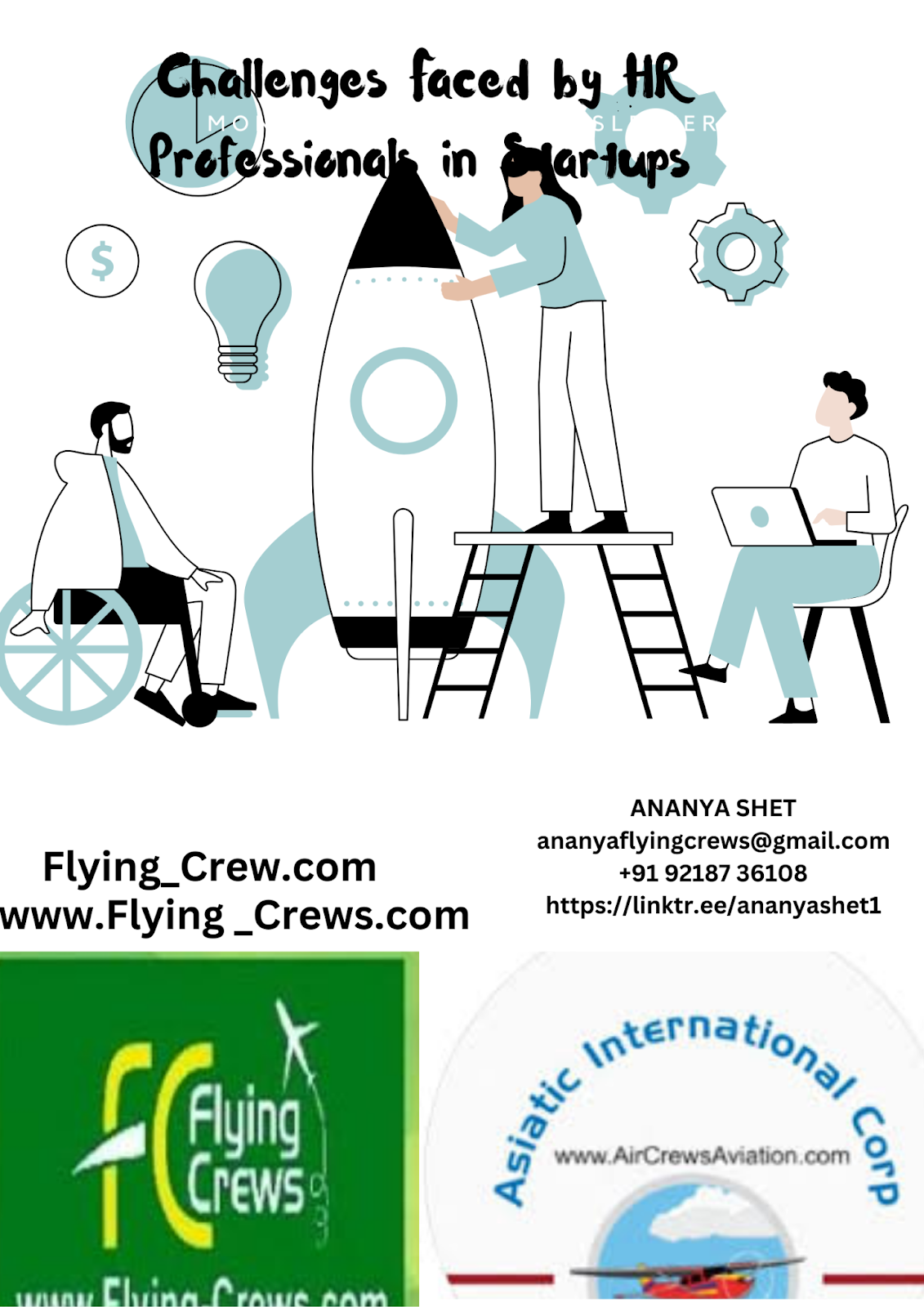
 Challenges Faced by HR Professionals in Startups


Human Resource professionals in startups usually play multiple roles. They are involved not only in traditional HR functions, such as recruitment and payroll, but also play a role in the creation of company culture, handling growth, and compliance with labor laws. 

The nature of a startup, however, brings out some challenges that are not experienced in more established companies. Let's explore some of the common challenges human resource professionals experience in startups and give actionable tips on how to overcome them.


1. Limited Resources

Challenge: Usually, a startup functions on a shoestring budget and hence has limited resources for HR. In most cases, an HR professional in a startup is expected to perform tasks traditionally done by entire teams in larger organizations, without the necessary tools or manpower.


Tip to Overcome: Resource constraint HR professionals should focus on priority tasks and automate wherever possible. The investment in HR technology such as ATS or HR payroll software can save time and also minimize the workload. Outsourcing of non-core functions like benefits administration or legal services can help reduce the workload without adding cost.


2. Talent Acquisition and Retention

Attract and retain the right talent - One of the greatest challenges for HRs in a startup is attracting the right talent and retaining the talent acquired. The competitive job market in places such as tech and growth-industries means that startups must use all their creativity to attract the best candidates.


Tip to Overcome: HR professionals can focus on a strong employer brand and a compelling company culture. Flexibility, growth opportunities, and a collaborative work environment may be more attractive than just a high salary. Use social media, networking, and employee referrals to attract top talent. Then, focus on onboarding and retention strategies so that the employees are engaged and valued through professional development programs and clear career progression paths.


3. Building and Maintaining Company Culture

Challenge: In a startup, the company culture can change rapidly as the business grows. What begins as a small, tight-knit team can quickly grow into a diverse workforce that challenges the maintenance of a cohesive culture. Without strong leadership, this can lead to misalignment among employees and the values of the company.


Tip to Overcome: HR professionals should define the core values of the company as early as possible and communicate them constantly. Encourage open communication and regular feedback, and create an environment where employees feel comfortable sharing ideas and concerns. As the company grows, HR should help new hires understand the startup's culture and ensure that the values are maintained through structured onboarding and team-building activities. It is essential to create a culture of inclusiveness that celebrates diversity and provides an opportunity for everyone's voice to be heard.


4. Handling Explosive Growth

Challenge: Startups grow fast. It creates numerous HR issues, including rapid hiring, restructuring, and the need to scale policies and processes. Managing growth in such a way that operations are smooth and efficient is a daunting task.


Tip to Overcome: The HR professional should expect growth and build scalable processes from the very beginning. This includes standard job descriptions, performance management systems, and an efficient recruitment process. Communication with leadership is essential to understand the growth trajectory of the company and align HR strategies in that direction. In addition, HR should proactively identify talent gaps and develop a pipeline for future hires to ensure that growth does not lead to understaffing or bottlenecks.


5. Compliance and Laws

Challenge: Compliance with labor legislation in the country is the major requirement, but the legal labyrinth, in this case, does pose a challenge to the startup HRs. Dedicated departments of law are usually not present, so monitoring changes in labor laws, tax regulations, and employment contracts might be a problem.


Tip to Overcome: HR professionals should stay informed about the legal requirements in their industry and jurisdiction, such as labor laws, benefits administration, and tax compliance. Using legal and HR software can help track compliance issues, and it’s important to consult with external legal advisors when needed to avoid costly mistakes. Additionally, HR should implement clear policies and training to ensure employees understand their rights and responsibilities.


6. Employee Wellbeing and Work-Life Balance

Challenge: The startup environment is all about long hours and high demands; it can lead to burnout. HR professionals have to work around work-life balance, where employees are constantly juggling multiple tasks in a fast-moving environment.


Tip to Overcome: Encourage healthy work-life balance. Support flexible working hours, wellness programs, and mental health initiatives. Good communication in relation to expectations prevents burnout. Create mutual respect, and this will enable workers to be more supported when trying to manage their workload. Provide them with tools to manage their time better, like task management software, to help them stay organized and not overworked.


7. Performance Management and Feedback

Challenge: In a startup, where roles may be fluid and teams are constantly evolving, managing employee performance and providing feedback can be challenging. Without a formal structure, it’s easy for performance issues to go unnoticed, or for employees to feel disconnected from the company's goals.


Tip to Overcome: Implement regular performance reviews and continuous feedback loops. Startups are likely to need a more flexible system of performance management, which focuses on development rather than rigid annual reviews. The goal is to have employees in alignment with the mission of the company while still allowing for growth opportunities by clear goals and expectations and frequent, constructive feedback.


8. Diverse Workforce Challenges

Challenge: When startups scale, they tend to attract people from diverse backgrounds and thus different perspectives, styles of work, and expectations. HR professionals may find this both an opportunity and a challenge.


Tip to Overcome: HR professionals should focus on fostering an inclusive environment where diversity is celebrated. Offering cultural competency training, encouraging open dialogue, and ensuring policies are inclusive and equitable are essential steps. Ensuring that there are support systems for all employees, including mentorship programs and affinity groups, can help employees feel more connected and supported.


 In Conclusion Unique challenges HR professionals face in startups range from the limited resources, the rapid growth of managing it, and compliance issues. Yet by embracing technology, focusing on culture and talent acquisition, and staying proactive in managing change, HR professionals can make startups thrive. Building scalable processes, a strong company culture, and the well-being of employees will ensure that HR contributes to the startup's long-term success. Through strategic planning, responsiveness and effective communication, Human resources can overcome these hurdles and become golden opportunities for growth and innovation


Ananya shet

Assistant HR Manager 

Asiatic international crop

ananyaflyingcrews@gmail.com

Linkedin :

https://www.linkedin.com/in/ananya-shet-7333b02b6?utm_source=share&utm_campaign=share_via&utm_content=profile&utm_medium=android_app

Linktree :

https://linktr.ee/ananyashet1

Youtube:

https://www.youtube.com/aerosoftcorp

Facebook:

https://www.facebook.com/profile.php?id=61569327112146&mibextid=ZbWKwL


Respecting Individual Egos at Work While Working in a Team

 Respecting Individual Egos at Work While Working in a Team


In any work environment, particularly in teams, collaboration is essential for achieving common goals. However, it’s not uncommon for individuals to have strong personal egos that influence how they interact with others. Egos, in this sense, refer to a person’s self-importance, pride, or sense of identity. While confidence and a strong sense of self are valuable traits, they can sometimes become obstacles to effective teamwork if not managed properly. Recognizing and respecting individual egos at work is a vital aspect of fostering a harmonious, productive, and successful team environment.


Why Individual Egos Matter

Everyone brings their unique skills, experiences, and perspectives to a team. An individual’s ego can be a reflection of their self-worth, professional background, and aspirations. Understanding this is crucial because the presence of egos can influence the dynamics within a team. If a person feels undervalued, ignored, or dismissed, their motivation and contribution may suffer. On the other hand, when egos are respected, individuals feel appreciated and are more likely to contribute openly, enhancing the team's overall performance.


The Balance Between Confidence and Humility

Egos can present themselves in different ways. Some people have a dominant ego that craves attention, validation, or control over situations, while others may have a more subtle ego, seeking recognition in quieter ways. The key to managing egos is balancing confidence and humility. Confidence allows individuals to share their ideas and trust their abilities, while humility helps them listen to others and be open to feedback.

A team needs diverse perspectives and solutions, and every member’s voice should be valued. Leaders and teammates should encourage an environment where each person feels comfortable contributing, while also being receptive to the opinions of others. Recognizing the importance of both confidence and humility ensures that each team member’s ego is respected without overshadowing others.

Strategies for Respecting Individual Egos in a Team Setting

  1. Foster Open Communication: Clear and open communication helps prevent misunderstandings, which can trigger defensiveness or clashes. Encourage regular check-ins and discussions where team members feel heard and valued. When people feel they can share their thoughts without fear of judgment, they are more likely to contribute their best work.

  2. Acknowledge Contributions: It’s essential to recognize and celebrate the unique strengths and achievements of each team member. Public recognition can build confidence and foster a sense of belonging. Acknowledging the role each person plays in a project helps maintain individual dignity and reinforces that everyone’s input is important.

  3. Encourage Collaboration, Not Competition: When team members feel that they are working toward a shared goal rather than competing for individual glory, it reduces the likelihood of egos clashing. Encourage collaboration by focusing on collective success and highlighting how different strengths complement one another. This can help shift the focus from personal validation to team achievement.

  4. Cultivate Empathy: Understanding that everyone has a different background, personality, and perspective is vital to respecting egos. Empathy allows team members to appreciate why someone might act the way they do or respond to certain situations. Leaders and team members should actively practice empathy by being patient, non-judgmental, and understanding toward others.

  5. Create an Inclusive Environment: Egos thrive in environments where people feel excluded or overlooked. To respect individual egos, create an inclusive work culture where diverse viewpoints are encouraged. Whether through team-building activities, brainstorming sessions, or collaborative problem-solving, an inclusive environment reduces the chances of egos becoming a source of conflict.

  6. Provide Constructive Feedback: Criticism, if not delivered thoughtfully, can damage egos and negatively impact team cohesion. It’s important to offer feedback in a constructive, respectful manner, focusing on behaviors and outcomes rather than personal characteristics. Offering feedback privately, and providing solutions, helps maintain an individual’s dignity while also guiding them toward improvement.


The Role of Leadership

Leaders play a crucial role in managing egos within a team. They set the tone for the team’s dynamics and guide how team members interact. By modeling respect, humility, and active listening, leaders can create a culture where egos are valued but do not dominate. Furthermore, leaders can mediate conflicts that arise due to ego clashes, ensuring that personal differences do not interfere with the team’s progress.

Effective leaders understand that egos are not inherently negative—they are a part of human nature. The goal is not to suppress or ignore egos but to help individuals manage their own egos in a way that benefits the team. This requires patience, emotional intelligence, and the ability to foster a culture of mutual respect.

In Conclusion Respecting individual egos in a team setting is essential for maintaining a positive and productive work environment. By fostering open communication, encouraging collaboration, and recognizing each person’s contributions, teams can harness the strengths of each member without letting egos create unnecessary barriers NJ. While managing egos can be challenging, the payoff is well worth the effort: a cohesive team where individuals feel respected, valued, and motivated to contribute their best. Ultimately, respecting egos allows for the creation of a team culture that not only achieves success but also nurtures personal growth and professional fulfillment.


Ananya shet

Assistant HR Manager 

Asiatic international crop

ananyaFlyingcrews@gmail.com

Linkedin :

https://www.linkedin.com/in/ananya-shet-7333b02b6?utm_source=share&utm_campaign=share_via&utm_content=profile&utm_medium=android_app

Linktree :

https://linktr.ee/ananyashet1

Youtube:

https://www.youtube.com/aerosoftcorp

Facebook:

https://www.facebook.com/profile.php?id=61569327112146&mibextid=ZbWKwL



How to Tailor Roles to Attract Your Ideal Applicants

 How to Tailor Roles to Attract Ideal Applicants


Attracting the right talent in today's competitive Job market is more important than ever. Companies are no longer searching for employees; they are searching for people who will align with their mission, values, and long-term goals. Therefore, tailoring Job Roles to appeal to ideal candidates can greatly enhance your recruitment efforts, leading to better hires and long-term success. Here's how to refine Job descriptions and Roles to attract the Best Applicants


1. Clearly Define Your Ideal Candidate

Attracting ideal Applicants requires that you have a clear understanding of who you are looking for. You can determine this by identifying skills, experience, and qualities needed for success in the role. Consider the following:


Technical skills: What specific tools, systems, or certifications does the Job require?


Soft skills: Does the Job demand high levels of communication, teamwork, leadership, or problem-solving abilities?

Cultural fit: What kind of personality should the candidate have in relation to the company's values and culture?

Experience level: Do you need someone with years of experience or someone fresh and eager to grow?

This clear understanding will help you create a Job description that speaks directly to the type of applicant you want to attract.

2. Use Clear and Inclusive Language

A Job description is often the first impression candidates will have of your company. Make it appealing by using clear, inviting, and inclusive language. Avoid jargon or overly technical terms that may confuse or alienate potential Applicants.


Be transparent: Clearly state the responsibilities of the role and the expected outcomes.


Inclusive wording: Use gender-neutral language and ensure that your description doesn't inadvertently exclude any group.


Be realistic about qualifications: Steer clear of listing too many 'must-haves' that might discourage Applicants with transferable skills but no special qualifications. Instead, employ phrases like "preferred qualifications" to encourage more applications.


3. Emphasize the Value Proposition

What makes your company stand out from others? Why should top candidates want to work for you? The Job description should include the employer value proposition (EVP) and highlight


Company culture: Do you have a flexible, collaborative work environment? Are you innovative and creative? Describe what makes your culture special.


Career advancement: Is your company involved in learning and development initiatives? Can the employee work his or her way up through the organization? Job candidates often are attracted to the role that allows career advancement.


Compensation and benefits: Be transparent about salary ranges (if possible) and the benefits package, such as health insurance, retirement plans, and wellness programs. Top candidates expect clarity on these aspects before applying.


Work-life balance: In today’s work environment, flexibility is key. Highlight any flexible working hours, remote options, or family support programs you offer.


4. Craft Role Responsibilities:

 To Reflect Impact Rather than listing generic duties, craft a role description that showcases how this role will make an impact. Many ideal candidates are often motivated by the potential to contribute meaningfully to the company and its mission.


Point out the purpose: What is the overall goal of the role? How will it contribute to the success of the company?


Incorporate Challenges and Opportunities: Top talent performs at their Best in dynamic Roles that bring them challenges and learning opportunities. Show the candidate how the role presents an opportunity to address real problems and innovate.


Show Autonomy: Ideal Applicants will be self-starters who require independence. If the role brings autonomy, then ensure this is the point to put across. 


5. Leverage the Power of Personalization


Customizing the role also calls for personalizing the Job description to specific candidates. If your company is hiring a specialized role, such as data scientist or software developer, personalize the role description to reflect how the needs of the company align with the unique strengths of the candidate.


Professional development: Talk about how this role offers the opportunity to gain skills in their area of specialty.


Highlight team structure: Mention the team they would work with and how the role would cut across different departments, giving applicant a sense of belongingness and collaboration.

6. Encourage Passion and Purpose


Incorporate a sense of purpose in your Job description to attract candidates who are passionate about what they do. Many ideal Applicants seek Roles where they can contribute to causes or projects they care about. Be sure that your Job posting speaks to the bigger picture of your company's mission and how this individual's work will help support that purpose.


For instance, an example of a marketing position would be described as helping "tell the story of a brand that changes lives," while a tech role might involve "building solutions that make the world more sustainable."


7. Emphasize Flexibility and Benefits


Today's Best Applicants are not just after packages but also benefits that complement their lifestyle. These could be


Remote or hybrid work: Many Applicants are looking for flexibility. Highlight whether remote work or hybrid options are available.


Workplace wellness: Demonstrating a commitment to the well-being of employees, such as gym memberships, mental health support, or wellness programs, can be a key differentiator.


Family and parental support: Offering family leave or childcare support will attract Applicants who value a balance between their professional and personal lives.


8. Add Testimonials and Success Stories


One good way to attract the right Applicants is to allow them to get an insider's look into your company's culture from current or former employees. Letting people see testimonials or hear success stories may humanize your organization and allow evidence of a great place to work. Highlight the success stories in which people grew within the company or were a part of impactful projects.


9. Include Clear Application Instructions


Once you’ve tailored your role to attract the Best candidates, make sure the application process is just as user-friendly. Provide clear instructions on how to apply, what documents are required, and the timeline for hearing back from you. Making the process easy and straightforward will encourage more qualified Applicants to submit their applications.


10. Review and Adjust Based on Feedback


Finally, you should update and refine your Job descriptions from time to time. Request feedback from candidates, hiring managers, and employees on whether the Job role still reflects the skills and talents you want to attract. This feedback loop will help you continue to optimize your recruitment process.


 In Conclusion The right Job role attracts the right Applicants. By clearly defining your needs, highlighting your company's values, and offering growth opportunities, you create an enticing opportunity for top talent. It is not just listing Job requirements but framing the role in a way that resonates with the passions, values, and aspirations of your ideal Applicants. With the right approach, your company can attract candidates who are not only qualified but also excited to contribute to your success.


Ananya shet

Assistant HR Manager 

Asiatic international crop

ananyaflyingcrews@gmail.com

Linkedin :

https://www.linkedin.com/in/ananya-shet-7333b02b6?utm_source=share&utm_campaign=share_via&utm_content=profile&utm_medium=android_app

Linktree :

https://linktr.ee/ananyashet1

Youtube:

https://www.youtube.com/aerosoftcorp

Facebook:

https://www.facebook.com/profile.php?id=61569327112146&mibextid=ZbWKwL



Books by AlfaBooks

Published Books

Flying High: A Guide to a Career in Aviation Industry

Books

"Flying High: A Guide to a Career in the Aviation Industry"

Pilot's Career Guide

Order here


"Pilot's Career Guide" is a book written by Captain Shekhar

Lessons for Business Leaders


 Most Successful Female Entrepreneurs of India

Books by Grishma Vijay , Capt. Shekhar Gupta


The Most Successful Female Entrepreneurs in India is a collection of life lessons from successful women from all areas of life in India.


All Best Career Guide

Books by Capt Shekhar Gupta


A Great Resource for Students, Parents, and Schools.


  • Buy On Amazon Kindle:

https://www.amazon.com/dp/B07PVK3DTN

  • Buy On Kobo:

https://www.kobo.com/in/en/ebook/pilot-s-career-guide

  • Buy On Google Play:

https://play.google.com/store/books/details/Capt_Shekhar_Gupta_Niriha_Khajanchi_Pilot_s_Career?id=lPWNDwAAQBAJ&pli=1

  • Buy On Apple Books:

https://books.apple.com/us/book/pilots-career-guide/id1457304196

ORDER NOW!!!